Automating TLS/SSL certificate management in the cloud enhances security and efficiency. It streamlines issuance and renewal processes, reducing the risk of expired certificates. This proactive approach minimizes human errors and guarantees compliance with industry regulations. Automated systems provide real-time monitoring and alerts, facilitating timely management of certificates. By integrating these solutions with DevOps workflows, organizations can achieve greater operational efficiency. Further insights can reveal best practices and future trends in cloud certificate management.
Key Takeaways
- Implement automated systems to streamline issuance and renewal processes, minimizing the risk of expired TLS/SSL certificates in cloud environments. Utilize real-time monitoring tools to receive instant alerts for certificate expirations and misconfigurations, ensuring proactive management. Integrate certificate management with CI/CD workflows to align issuance, renewal, and revocation processes seamlessly within DevOps practices. Centralize management tools to enhance visibility and control across multiple cloud platforms, reducing administrative overhead and improving compliance. Conduct regular audits to identify and rectify expired or misconfigured certificates, safeguarding against potential security breaches.
Understanding TLS/SSL Certificates
TLS/SSL certificates serve as essential security protocols that establish encrypted connections between web servers and clients. These certificates authenticate the identity of the communicating parties, ensuring that data exchanged remains private and secure.
They utilize cryptographic methods to encrypt information, preventing unauthorized access and eavesdropping. Issued by trusted Certificate Authorities (CAs), TLS/SSL certificates contain key information such as the domain name, the organization's details, and the public key used for encryption.
They come in various types, including domain-validated, organization-validated, and extended validation certificates, each offering different levels of assurance. Understanding these certificates is important for organizations to protect sensitive data and maintain user trust while traversing the complexities of digital communication in an increasingly online world.
The Importance of TLS/SSL Certificates for Security
While many online users may take for granted the security of their data, the role of TLS/SSL certificates is crucial in safeguarding sensitive information exchanged over the internet.
These certificates establish an encrypted link between web servers and browsers, ensuring that data remains confidential and integral during transmission. By validating the authenticity of a website, TLS/SSL certificates protect users from potential threats such as man-in-the-middle attacks and phishing scams.
Additionally, they enhance user trust by displaying security indicators, such as the padlock symbol in web browsers.
In an era where cyberattacks are increasingly prevalent, the implementation of TLS/SSL certificates is essential for protecting not only individual privacy but also the overall security of online transactions and communications.
Challenges of Manual Certificate Management
Manual certificate management presents several challenges that can hinder operational efficiency.
The time-consuming processes involved not only strain resources but also increase the potential for human error, leading to significant security risks.
As organizations navigate these issues, the need for automated solutions becomes increasingly apparent.
Time-Consuming Processes
Managing certificates manually often leads to significant delays and inefficiencies within organizations. The labor-intensive nature of manual certificate management can create numerous challenges that hinder productivity and resource allocation.
The following factors illustrate the time-consuming processes involved:
Lengthy Approval Cycles: Coordinating approvals across departments delays deployment. Frequent Renewals: Tracking expiration dates demands constant attention and can lead to oversight. Error-Prone Manual Entry: Human mistakes during data input can result in costly service disruptions. Complex Documentation: Maintaining compliance with varying regulations requires extensive, time-consuming record-keeping.These challenges not only waste valuable time but also detract from the organization’s core mission, ultimately stifling innovation and growth.
Increased Security Risks
Vulnerabilities in an organization's security posture can be exacerbated by the challenges inherent in manual certificate management. The reliance on manual processes often leads to lapses in oversight, increasing the potential for expired certificates or misconfigurations. Such oversights can create security gaps that cybercriminals readily exploit, undermining trust in digital communications.
Additionally, the decentralized nature of manual management can result in inconsistent application of security policies across different departments or environments. This inconsistency heightens the risk of data breaches and compliance violations.
As organizations increasingly depend on digital transactions, the stakes are higher, making it imperative to address the risks associated with manual certificate management to guarantee a robust security framework and maintain integrity in online interactions.
Human Error Potential
The potential for human error considerably complicates the management of TLS/SSL certificates. Manual processes are prone to mistakes, which can lead to severe consequences for organizations.
These challenges manifest in various ways, including:
Expired Certificates: Oversights can result in certificates expiring unnoticed, leading to service disruptions and loss of consumer trust. Misconfigurations: Incorrectly configured certificates can create vulnerabilities, exposing sensitive data to malicious attacks. Inconsistent Record-Keeping: Failure to maintain accurate logs makes it difficult to track certificate statuses, complicating renewals and audits. Delayed Response to Security Alerts: Human delays in addressing alerts can leave systems exposed longer than necessary, heightening the risk of breaches.Automating certificate management mitigates these risks, ensuring security and reliability in cloud environments.
Benefits of Automating Certificate Management
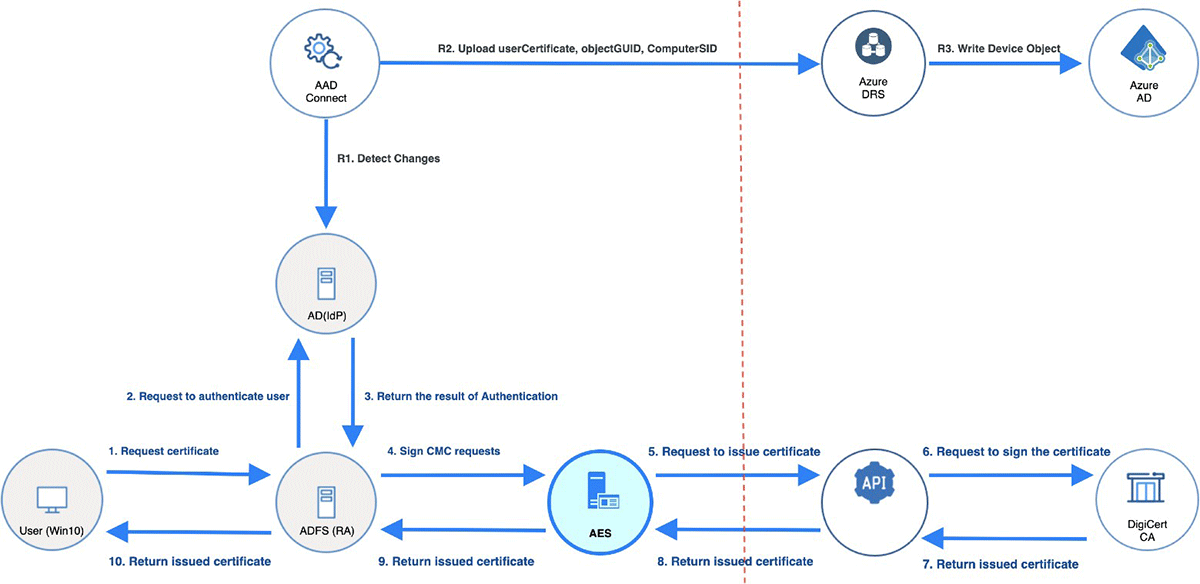
Automating certificate management offers significant benefits for organizations, primarily through enhanced security measures and increased operational efficiency.
By streamlining the issuance and renewal processes, businesses can reduce the risk of expired certificates and potential security vulnerabilities.
Moreover, this automation allows teams to allocate resources more effectively, focusing on core tasks rather than manual management.
Enhanced Security Measures
A notable advantage of automating certificate management lies in its ability to enhance overall security posture. Organizations leveraging automated solutions can greatly reduce vulnerabilities associated with manual processes, guaranteeing timely renewal and deployment of certificates. This proactive approach mitigates risks of data breaches, which can have devastating consequences.
Key benefits include:
Minimized Human Error: Automation reduces the risk of mistakes that can lead to compromised security. Real-time Monitoring: Instant alerts for certificate expirations help prevent security lapses. Streamlined Compliance: Automated systems guarantee adherence to regulatory requirements effortlessly. Increased Trust: Consistent management fosters confidence among clients and stakeholders, reinforcing the organization's credibility.Ultimately, these enhanced security measures safeguard sensitive information and maintain system integrity.
Increased Operational Efficiency
Enhanced security measures not only protect sensitive information but also contribute to increased operational efficiency within organizations.
Automating TLS/SSL certificate management streamlines processes, reducing the time and resources spent on manual tasks. By eliminating the need for constant monitoring and renewal of certificates, teams can focus on core business operations rather than getting bogged down by administrative burdens.
In addition, automated systems minimize the risk of human error, ensuring that certificates are always up-to-date and properly configured. This reliability fosters a more secure environment while enhancing overall productivity.
As a result, organizations can allocate their resources more effectively, driving innovation and improving service delivery in an increasingly competitive landscape.
Key Features of Cloud-Based Certificate Management Solutions
Cloud-based certificate management solutions offer several key features that streamline the handling of TLS/SSL certificates.
These features not only enhance security but also improve overall management efficiency, giving organizations peace of mind.
Automated Renewal Notifications: Alerts for upcoming expirations guarantee certificates are renewed on time, preventing unexpected downtime. Centralized Dashboard: A unified interface simplifies monitoring and management of multiple certificates across various environments. Integration Capabilities: Seamless integration with existing DevOps tools enhances workflow and reduces manual intervention.
Enhanced Security Protocols: Advanced encryption and compliance features protect sensitive data while maintaining regulatory standards.
These key features empower organizations to manage their certificates effectively, fostering a secure online presence and building trust with stakeholders.
How Automation Reduces Downtime and Errors
Efficiency in managing TLS/SSL certificates is greatly improved through automation, which plays an essential role in minimizing downtime and reducing errors. Automated systems guarantee that certificates are monitored continuously, allowing for timely detection of potential issues, such as expirations or misconfigurations.
This proactive approach prevents service interruptions that can occur from expired certificates, thereby maintaining website availability. Additionally, automation reduces human errors associated with manual processes, such as incorrect installations or oversight in renewal timelines.
Streamlining Certificate Issuance and Renewal Processes
Streamlining the issuance and renewal processes for TLS/SSL certificates greatly simplifies security management within organizations.
This efficiency not only enhances security but also fosters a more responsive IT environment. By automating these processes, organizations can experience several benefits:
Reduced Risk of Expired Certificates: Automation minimizes the chances of oversight, ensuring that certificates are always up to date. Time Savings: Employees can focus on critical projects rather than manual certificate management tasks. Cost Efficiency: Fewer resources are wasted on administrative overhead, allowing for a better allocation of budget. Improved Compliance: Streamlined processes help maintain adherence to industry regulations, safeguarding company reputation.Integrating Automated Certificate Management With Devops
As organizations increasingly adopt DevOps practices, integrating automated certificate management becomes essential for maintaining robust security protocols.
This integration guarantees that the process of issuing, renewing, and revoking TLS/SSL certificates aligns seamlessly with continuous integration and continuous deployment (CI/CD) workflows.
By embedding automated certificate management into DevOps pipelines, teams can minimize manual intervention, reducing the risk of human error and enhancing operational efficiency.
Additionally, automated systems facilitate real-time monitoring of certificate status, enabling proactive management of expirations and vulnerabilities.
This holistic approach empowers organizations to maintain compliance while fostering a secure environment in dynamic cloud infrastructures.
Ultimately, leveraging automated certificate management within DevOps enhances both security and agility, guaranteeing that applications remain secure without hindering deployment speed.
Best Practices for Managing TLS/SSL Certificates in the Cloud
Effective management of TLS/SSL certificates in the cloud is essential for maintaining security and trust in digital communications.
Organizations must adopt best practices to prevent vulnerabilities and guarantee seamless operations.
Key strategies include:
Regular Audits: Conduct periodic reviews of all certificates to identify expired or misconfigured ones, preventing potential breaches. Automated Renewals: Implement automated renewal processes to eliminate human error and guarantee certificates are always up-to-date. Centralized Management: Utilize centralized tools for tracking and managing certificates across multiple platforms, enhancing visibility and control. Education and Training: Foster a culture of awareness by training teams on the importance of certificate management, thereby reducing risks.Future Trends in Certificate Management Automation
While the landscape of digital security continues to evolve, the automation of certificate management is set to become increasingly sophisticated. Future trends indicate a shift towards integrating artificial intelligence and machine learning to enhance predictive analytics in certificate lifecycle management.
Organizations will likely adopt more dynamic and real-time monitoring systems, enabling automated alerts for upcoming expirations and compliance requirements. Additionally, the use of blockchain technology may emerge to establish immutable records of certificate issuance and validation, improving trustworthiness in certificate authorities.
As cloud environments grow, automation tools will focus on multi-cloud compatibility, ensuring seamless management across various platforms. These advancements will streamline processes, mitigate risks, and enhance overall security in digital transactions.
FAQ
How Do Automated Tls/Ssl Certificates Impact Website Performance?
Automated TLS/SSL certificates greatly enhance website performance by streamlining the process of obtaining and renewing security certificates.
This efficiency reduces downtime and guarantees that websites maintain secure connections without interruption.
Additionally, automated systems can optimize certificate management, leading to quicker response times and improved user experiences.
As a result, websites can operate more smoothly, fostering trust among users and potentially boosting search engine rankings due to enhanced security measures.
Can I Use Automated Certificates With Existing On-Premises Servers?
The use of automated certificates with existing on-premises servers is indeed possible.
Organizations can implement automated certificate management solutions that integrate with their current infrastructure. This allows for the seamless issuance, renewal, and revocation of certificates without manual intervention.
What Happens if an Automated Certificate Fails to Renew?
What implications arise when an automated certificate fails to renew?
In such cases, the affected system may experience disruptions, including loss of secure connections and access issues. This failure can lead to security vulnerabilities, as data may be transmitted unencrypted.
Additionally, services relying on the certificate might become inaccessible, prompting potential downtime and user dissatisfaction.
Thus, it's essential to monitor certificate status actively to prevent such adverse outcomes.
Are There Costs Associated With Cloud-Based Certificate Management Solutions?
The costs associated with cloud-based certificate management solutions can vary considerably based on the provider, features, and scale of deployment.
Many services charge a subscription fee or pay-per-certificate model, which may include additional expenses for support, advanced features, or integration options.
Organizations must assess their specific needs and budget while considering potential long-term savings from improved security and reduced administrative overhead, ensuring a thorough evaluation of total cost of ownership.
How Do I Choose the Right Certificate Authority for Automation?
Choosing the right certificate authority (CA) for automation involves weighing trustworthiness against cost. A reputable CA guarantees security, while budget-friendly options may compromise reliability.
Evaluating factors like customer support and integration capabilities is essential; a responsive support team can ease implementation, whereas poor support can hinder efficiency.
Additionally, considering the scalability of the CA can help accommodate future growth.
Ultimately, the decision hinges on balancing security, cost, and usability in line with specific needs.
Conclusion
In the ever-evolving landscape of digital security, the shift from manual to automated TLS/SSL certificate management is not just a trend; it’s a gentle nudge toward a more secure future. By embracing cloud-based solutions, organizations can gracefully navigate the complexities of certificate management, ensuring peace of mind while focusing on growth and innovation. As the digital https://ps3coderz.com/worlds-leading-pki-management-solution/ domain continues to expand, staying ahead with automation will be the golden key to unfastening a safer and more efficient online experience.