Secure device authentication in the cloud by Keytalk is essential for protecting your sensitive information. By utilizing advanced cryptographic techniques like elliptic curve cryptography, Keytalk guarantees strong security while simplifying device onboarding. You'll benefit from automated registration processes and user-friendly interfaces, making it easy to connect new devices without sacrificing safety. Their robust security measures also enhance remote access and IoT security. If you want to discover more about how Keytalk can secure your devices, keep exploring!
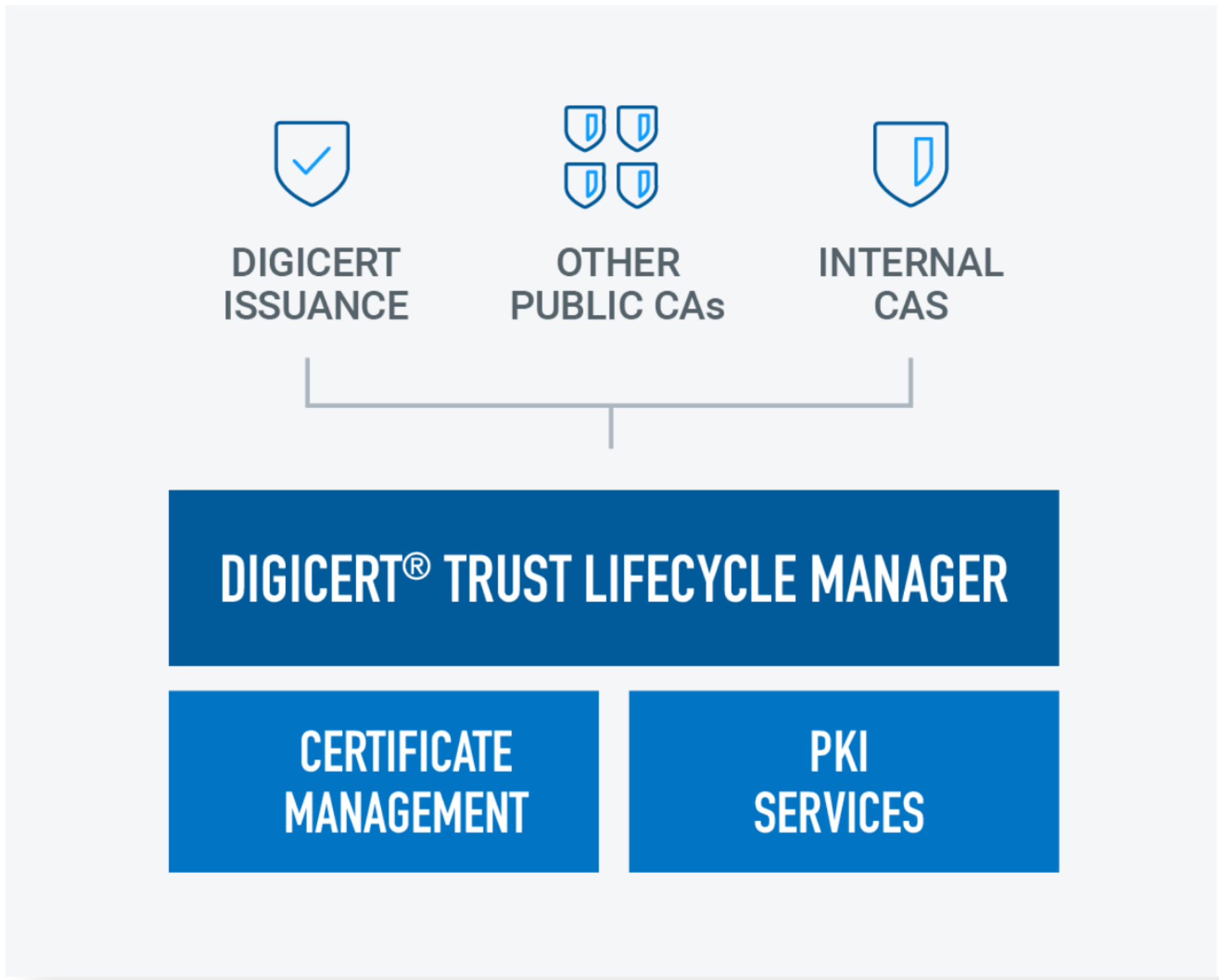 Unlock Tls/ssl Certificates For It Teams
Key Takeaways
- Keytalk employs advanced elliptic curve cryptography (ECC) for secure and efficient device authentication in cloud environments. Automated onboarding processes simplify device registration, ensuring quick and secure integration with cloud services. Strong authentication methods, like two-factor authentication, enhance security for remote access and IoT devices. Centralized dashboards provide visibility and control over connected devices, maintaining strict access and management protocols. Continuous monitoring and regular updates help to detect vulnerabilities and protect sensitive data in the cloud.
The Importance of Secure Device Authentication
In today’s interconnected world, secure device authentication is vital for protecting your data and privacy. With cyber threats constantly evolving, you need to guarantee that only authorized devices access your sensitive information.
When you authenticate devices, you create a strong barrier against unauthorized access, reducing the risk of data breaches. Each time you log into a cloud service, secure authentication verifies your identity, making it harder for hackers to exploit vulnerabilities.
Keytalk's Advanced Cryptographic Techniques
While many organizations struggle with secure device authentication, Keytalk stands out with its advanced cryptographic techniques that guarantee robust protection.
You’ll find that Keytalk employs cutting-edge algorithms such as elliptic curve cryptography (ECC), which provides strong security with smaller key sizes. This efficiency not only speeds up authentication processes but also reduces the computational load on devices.
Additionally, Keytalk leverages secure key management practices to protect sensitive information, ensuring that only authorized devices can access your network.
Keytalk's secure key management practices safeguard sensitive information, granting access exclusively to authorized devices within your network.
By utilizing cryptographic tokens, you’re able to verify device authenticity without exposing your systems to vulnerabilities.
With these advanced techniques, Keytalk empowers you to confidently secure your devices in the cloud, enhancing your overall security posture.
Simplifying the Onboarding Process for Devices
Many organizations find that simplifying the onboarding process for devices is essential for maintaining security and efficiency. When you streamline the onboarding, you reduce the time it takes to connect new devices while ensuring they meet security standards.
Start by automating the device registration process, making it easy for users to enroll their devices without extensive manual intervention. Implement user-friendly interfaces and clear instructions to guide users through each step. Additionally, consider using QR codes or NFC technology to simplify the authentication process further.
Enhancing Security in Remote Access and IoT
As organizations increasingly rely on remote access and IoT devices, enhancing security becomes vital to protecting sensitive data.
You need to implement strong authentication methods, like two-factor authentication, to guarantee only authorized users gain access. Regularly updating firmware and software helps close vulnerabilities that hackers might exploit.
Creating a robust network segmentation strategy can limit the impact of potential breaches, keeping essential systems safe. Additionally, monitoring device activity in real-time allows you to detect suspicious behavior quickly and respond effectively.
Training employees on security best practices is important, as human error often leads to security incidents. By prioritizing these measures, you can greatly enhance your organization's overall security posture, safeguarding your valuable assets in an increasingly connected world.
Managing Devices in the Cloud With Confidence
Managing your devices in the cloud should feel straightforward and secure.
You can achieve seamless integration while implementing robust security protocols to protect your data.
Let’s explore how these elements work together to give you confidence in your device management.
Seamless Device Integration
How can you guarantee that your devices integrate seamlessly into the cloud environment?
Start by ensuring that your devices are compatible with the cloud platform you’re using. Regularly update firmware and software to support the latest cloud features and security measures.
Simplify device management by using centralized dashboards that give you visibility into all connected devices. Implement automated onboarding processes to reduce manual errors and save time.
Test your devices in various configurations to identify any integration issues before deployment.
Finally, maintain clear documentation of your device architecture and integration processes to streamline future updates.
Robust Security Protocols
To guarantee your devices remain secure in the cloud, implementing robust security protocols is essential.
Start by using strong encryption methods to protect data during transmission and storage. Regularly update your device firmware and software to patch vulnerabilities.
Employ multi-factor authentication (MFA) for additional access security, ensuring that only authorized users can connect to your devices.
Monitor network activity continuously for any unusual behavior, allowing you to respond quickly to potential threats.
It's also wise to establish strict access controls, limiting permissions based on user roles.
By proactively managing these protocols, you’ll enhance your device security posture, reducing risks and maintaining confidence in your cloud environment.
Stay vigilant, and always adapt to emerging security challenges.
Staying Ahead of Emerging Threats in Cybersecurity
As you navigate the cloud, it's essential to stay alert to the evolving cyber threat landscape.
You need proactive security measures that adapt to new challenges and protect your devices effectively.
Evolving Cyber Threat Landscape
While the digital landscape continues to evolve rapidly, so do the threats that target it, making it essential for organizations to stay vigilant. Cybercriminals now employ sophisticated techniques, from ransomware to phishing, exploiting vulnerabilities in software and human behavior alike.
As you navigate this shifting terrain, you’ll encounter more advanced threats like artificial intelligence-driven attacks and IoT exploitation. The rise of remote work and cloud services further complicates the situation, as they create new entry points for attackers.
You need to keep your security protocols updated and regularly assess your risk exposure. By understanding the evolving threat landscape, you can better prepare your defenses and mitigate potential risks that could jeopardize your organization's data and reputation.
Proactive Security Measures
Five key proactive security measures can greatly enhance your organization’s defenses against emerging cyber threats.
First, implement regular security training for your staff to recognize phishing attempts and suspicious activities.
Next, conduct frequent vulnerability assessments to identify and address weaknesses in your systems.
Third, verify you’re using multi-factor authentication for all critical accounts and devices to add an extra layer of security.
Fourth, keep your software and hardware updated to protect against known vulnerabilities.
Finally, establish a robust incident response plan, so your team knows how to react swiftly in case of a breach.
Frequently Asked Questions
What Types of Devices Can Keytalk Authenticate?
When it comes to device authentication, you can authenticate various types of devices.
These include smartphones, tablets, laptops, and IoT devices. You’ll find that each device type has unique requirements, but they all benefit from robust security measures.
By employing effective authentication methods, you can guarantee that only authorized devices access your systems.
How Does Keytalk Handle Lost or Stolen Devices?
Did you know that over 50 million smartphones are lost or stolen each year? When you lose a device, it can be alarming, but there are effective measures in place.
You can quickly report the lost device, triggering a lock or remote wipe to protect your data. Additionally, you’ll have the option to revoke access to your accounts, ensuring that no unauthorized user can gain entry while you secure your information.
Is Keytalk Compatible With Existing Security Frameworks?
When considering compatibility with existing security frameworks, you’ll find that many solutions are designed to integrate seamlessly.
They often support widely-adopted protocols and standards, allowing you to enhance your security posture without major disruptions.
It's essential to check the specific integration options available. By doing so, you can guarantee that the solution you choose aligns with your current systems and meets your organization's security requirements effectively.
What Is the Cost of Implementing Keytalk's Solution?
The cost of implementing a solution like Keytalk's can vary based on several factors, including the size of your organization, the complexity of your security needs, and your existing infrastructure.
You’ll want to evaluate initial setup costs, ongoing maintenance, and potential training expenses.
It’s a good idea to reach out to the provider for a tailored quote, ensuring you get a solution that fits both your https://newscerr.com/certificate-lifecycle-management/ budget and security requirements.
How Often Does Keytalk Update Its Security Protocols?
In a world where cyber threats loom large, you’ll find peace of mind knowing that security measures are consistently updated.
Keytalk doesn’t take chances; it frequently refreshes its security protocols to stay ahead of potential vulnerabilities.
You can trust their commitment to keeping your devices safe, as these updates happen regularly, ensuring your data remains protected against the ever-evolving landscape of cyber threats.
Your security is truly a top priority for them.
Conclusion
In a world where devices connect seamlessly, secure authentication isn’t just helpful—it’s essential. With Keytalk's innovative cryptographic techniques, you’re not just simplifying onboarding, but also fortifying your IoT and remote access security. As you manage your devices confidently in the cloud, remember that staying ahead of emerging threats is a shared responsibility. Coincidentally, every secure connection you establish not only protects your assets but also strengthens the entire digital ecosystem we rely on.